Building a football card collection with a clear focus
Starting a football card collection can feel like stepping into a wide, open field. There are dozens of sets, hundreds of players, and a price range that goes from pocket change to four figures. Without a clear idea of what you want, it is easy to buy random packs, end up with a pile of cards that do not connect, and lose interest before the hobby really opens up. A focused approach changes that. It turns collecting from a scatter-shot habit into a project you can enjoy for years.
Decide what kind of collector you want to be
Every good collection starts with a honest answer to one question: what draws you to football cards? Some people collect because they love a single club and want every card of that team. Others follow a favourite player and try to get every base card, insert, and autograph of that athlete. A third group collects for the visual appeal of the cards themselves, chasing the best insert sets or the most striking designs from a particular year.
There is no right answer here. The point is to pick one thread and pull it. If you try to collect everything, you will spread your budget and attention too thin. If you pick a narrow focus, every purchase feels deliberate. The collection builds a story rather than just filling a box.
For a new collector, the easiest place to start is a single player or a single team. Both give you a clear search target when you browse online or visit a card show. You know exactly what to look for, and you can skip the rest.
Learn the card types so you know what you are buying
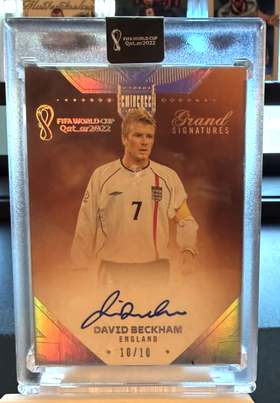
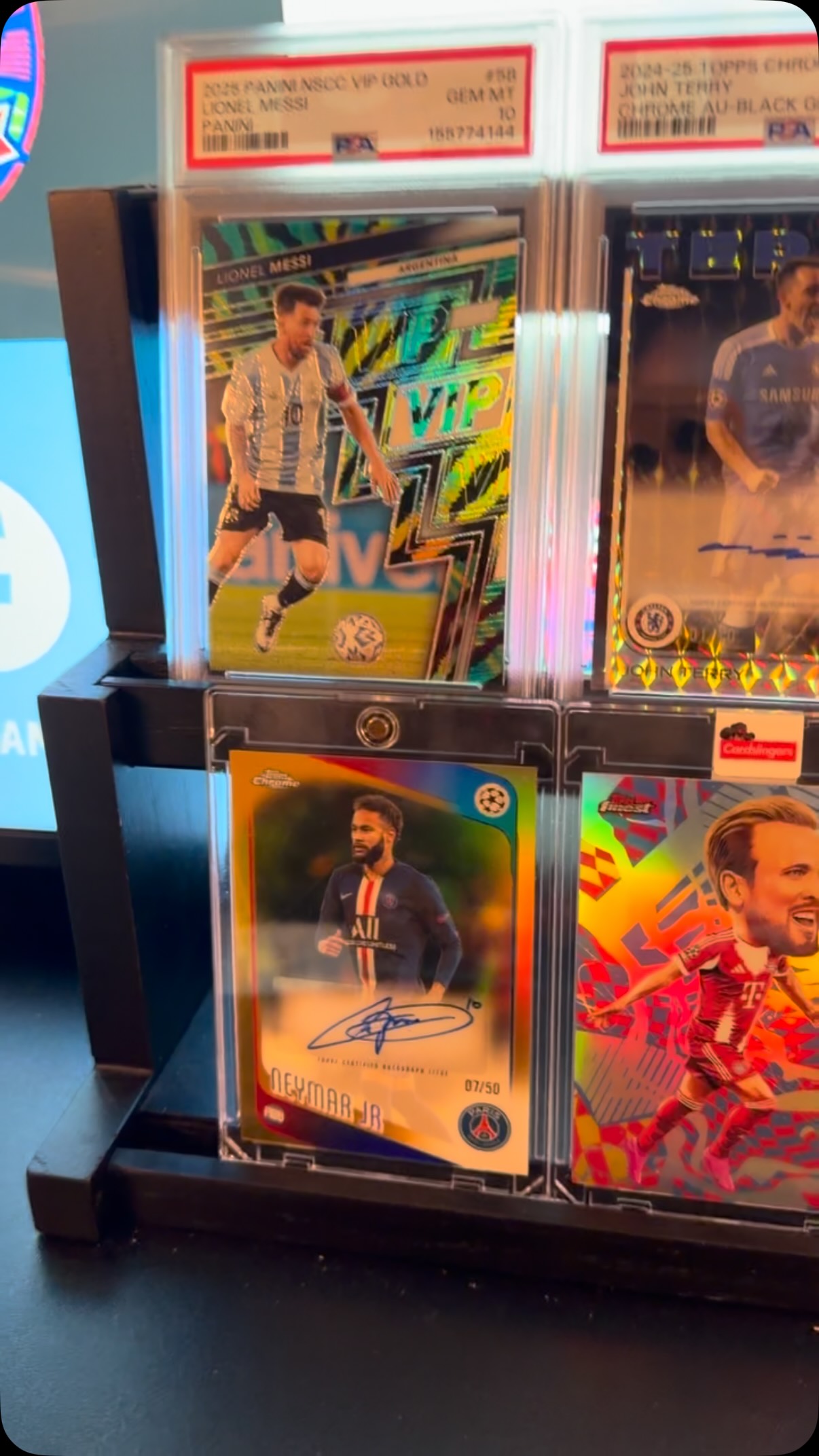
Football cards come in several common forms, and understanding them helps you set realistic expectations. A base card is the standard issue for a player in a given set. It is usually the most common and the cheapest. A rookie card is the first official card of a player, often the most sought after. Insert cards are special versions within a set, printed in smaller numbers. Autograph cards carry a real signature, and relic cards include a piece of match-worn fabric or equipment. Numbered cards are limited editions, each marked with a production number.
Each type has a different price point and rarity. If your focus is a single player, you might aim for one of each type. If you are collecting a team set, you will probably buy mostly base cards and a few inserts. Knowing the difference stops you from overpaying for a common card and helps you spot a good deal when a rare one turns up.
Set a budget and stick to it
Card collecting can pull you into spending more than you planned. A single pack can cost a few pounds, but a sealed box runs much higher. The temptation to chase one more pack to find that rare card is real. Setting a monthly or per-purchase budget keeps the hobby fun and keeps your finances in order.
A focused collection actually makes budgeting easier. When you know you only want cards of one team, you never feel the need to buy every new release. You wait for the sets that include that team, and you skip the rest. That discipline protects your wallet and makes each new addition more satisfying.
Protect your cards from day one
A card in good condition holds its value and looks better in a binder. The first thing to buy after your first few cards is a pack of card sleeves. These thin plastic sleeves slide over a single card and protect the surface from scratches, dust, and fingerprints. For cards you consider valuable, add a top loader, a rigid plastic holder that prevents bending.
A storage box keeps everything organised. You can buy a simple cardboard box that holds hundreds of sleeved cards, or a plastic binder with pages designed for trading cards. Sort your cards by player, team, or set, whatever matches your focus. Write a small label for each section so you can find a card without flipping through everything.
Many new collectors skip protection and later regret it. A card that was worth keeping gets a crease or a corner dent from being loose in a drawer. Sleeves and boxes cost very little compared to the value of the cards they protect.
Where to find cards for your collection
Once you know what you want and how to protect it, the next step is finding the cards. Local card shops are the best place to start. You can see the card in hand, check its condition, and ask the shop owner questions. Online marketplaces and dedicated card sites offer a much wider selection, but you rely on photos and seller descriptions. Look for sellers with clear photos of the front and back and a return policy for items that do not match the listing.
Live sales on platforms such as Whatnot have become popular for football cards. They let you watch a seller open packs or offer single cards in real time. You can ask questions during the stream and see the exact card before you bid. This is a good way to find specific cards and learn from other collectors in the chat.
Sports card shows and collector fairs bring together dozens of sellers under one roof. They are excellent for finding rare cards and for trading duplicates from your own collection. If you are focused on one team or player, you can walk through a show and only stop at tables that carry what you need. The rest is just background noise.
Build relationships with other collectors
Football card collecting does not have to be a solo activity. Joining a community, online or in person, opens up trades, advice, and tips for building a card collection. Other collectors will tell you which sets have the best designs, which players are rising, and which sellers are reliable. They can also help you spot a counterfeit autograph or a reprint passed off as original.
Social media groups and forums dedicated to football cards are full of experienced collectors who enjoy helping newcomers. Ask a question about a card you are unsure of, and you will usually get several helpful answers. Over time, you can build a network of people who will keep an eye out for the specific cards you need.
These relationships also make the hobby more enjoyable. Trading a duplicate for a card you have been hunting feels better than buying it. And when you finally add that rare numbered card to your collection, you have people who understand why it matters.
Keep your focus but stay flexible
A focused collection does not mean you never buy a card outside your chosen area. It means most of your time and money goes toward the thing you care about most. If you see a beautiful insert of a player you admire at a good price, it is fine to buy it. The focus is a guide, not a rule.
The key is to avoid drifting. Every few months, look through your collection and ask if it still tells a story. If you started collecting one player and now have a random mix of base cards from five different teams, you have probably lost the thread. That is a sign to reset and refocus.
As your collection grows, you can refine your focus. You might start with a single player, then decide to collect every rookie card from a particular season. Or you might shift from team sets to high-end inserts and autographs. That evolution is natural. The important thing is that each shift is a conscious choice, not a slow drift caused by buying whatever you see.
For practical tips for building a card collection that stays coherent, think of your collection as a shelf of books. Each book is a card, and the shelf is your focus. A shelf full of books about one subject is a library. A shelf full of random books is just a pile. The same holds true for football cards. The most satisfying collections are the ones where every card belongs.
Starting with a clear focus takes a little extra thought at the beginning, but it saves you money, time, and frustration later. You will buy fewer cards and enjoy each one more. You will have a collection that means something to you and that other collectors will recognise as thoughtful, not accidental. And when you look back at the first card you bought, you will remember exactly why you chose it and where it fits in the story you are building.
That is the real reward of football card collecting. Not the value of the cards, but the sense of purpose behind every single one.